by Laura Bernardeschi Nelson
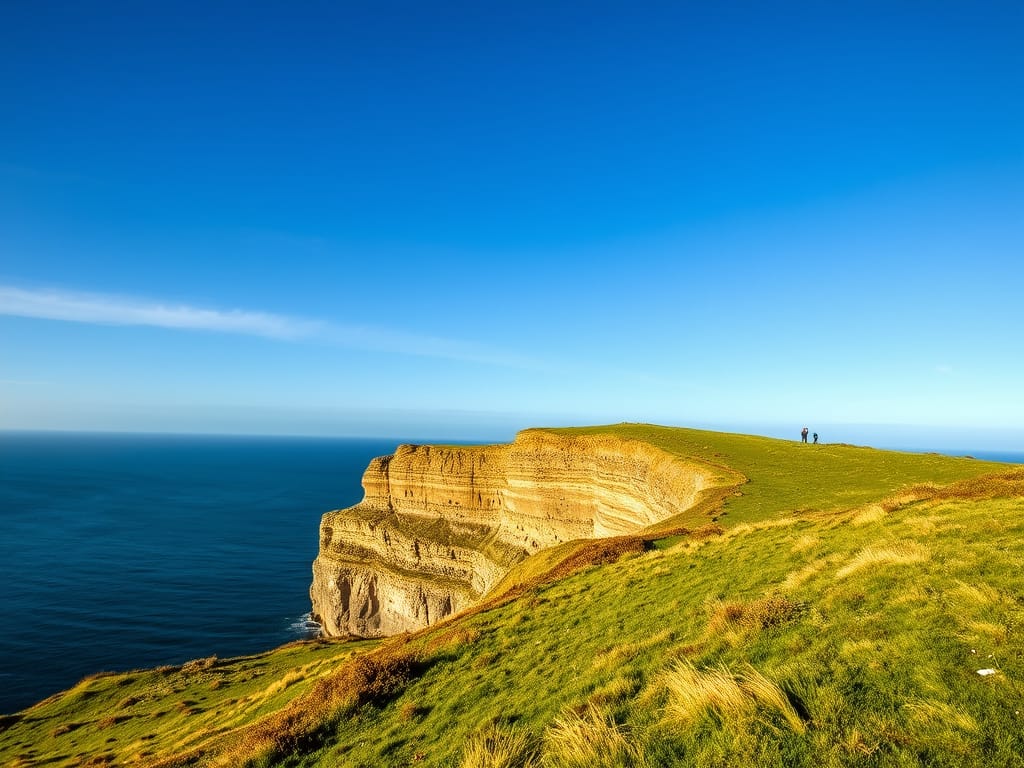
From the Mediterranean to the North Sea, the tides are shifting—and so is my canvas.
Living in Newcastle, I’ve developed a complicated relationship with the weather. I’ll be honest: I love a balmy spring day, and I’ve never been a fan of the biting Geordie cold. The kind that cuts through your coat and settles into your bones. But as an Italian expat, I also carry another kind of memory in my body—the suffocating, relentless, “torrido” heat of a Mediterranean summer.
What unsettles me now is not that I’ve escaped that heat, but that it seems to be following me.
It arrives subtly at first: a warmer breeze than expected, a longer stretch of dry days, a sea that doesn’t feel quite as sharp against the skin. Then it builds into something harder to ignore. The North, once defined by its cool restraint, is beginning to feel unfamiliar. And for someone who moved here partly in search of contrast, that shift is deeply disorienting.
But it isn’t just the air that’s changing. It’s the water.
Our seas are warming, and as an artist who works with found objects and environmental themes, I can no longer ignore the quiet but profound biological “exchange” happening beneath the surface.
Migration: Of People and Fish
There is a strange irony in my life. Years ago, I migrated from Italy to the North of England, drawn by opportunity, difference, and perhaps a quieter rhythm. Now, the Mediterranean sea life is doing the same journey—only not by choice.
Recent observations suggest that parts of the North Sea have experienced temperature spikes of up to 3°C above average. On paper, it looks like a small number. In reality, it’s a transformation.
You can see it not in scientific charts, but in everyday places—like the local fishmonger. Walk through the markets in North Shields and something feels slightly out of place. There, on crushed ice, you’ll find triglie—Red Mullet—the unmistakable taste of Livorno. A fish that belongs to my childhood summers is now sitting beside North Sea cod.
It’s disorienting. Comforting, even, for a brief moment. Then unsettling.
And it doesn’t stop there. We are seeing increasing numbers of octopus in these waters. Intelligent, adaptable, and endlessly fascinating—but also disruptive. These are not neutral visitors. They are voracious predators with a particular appetite for mollusks, posing a genuine threat to oyster beds and crab populations that local ecosystems—and economies—depend on.
Like me, these species are finding a new home. But unlike me, their arrival is not a story of integration. It is a symptom of imbalance.
Migration, in this context, is not just movement. It is evidence of stress within a system that is trying to recalibrate under pressure.
The Canvas of Consumption
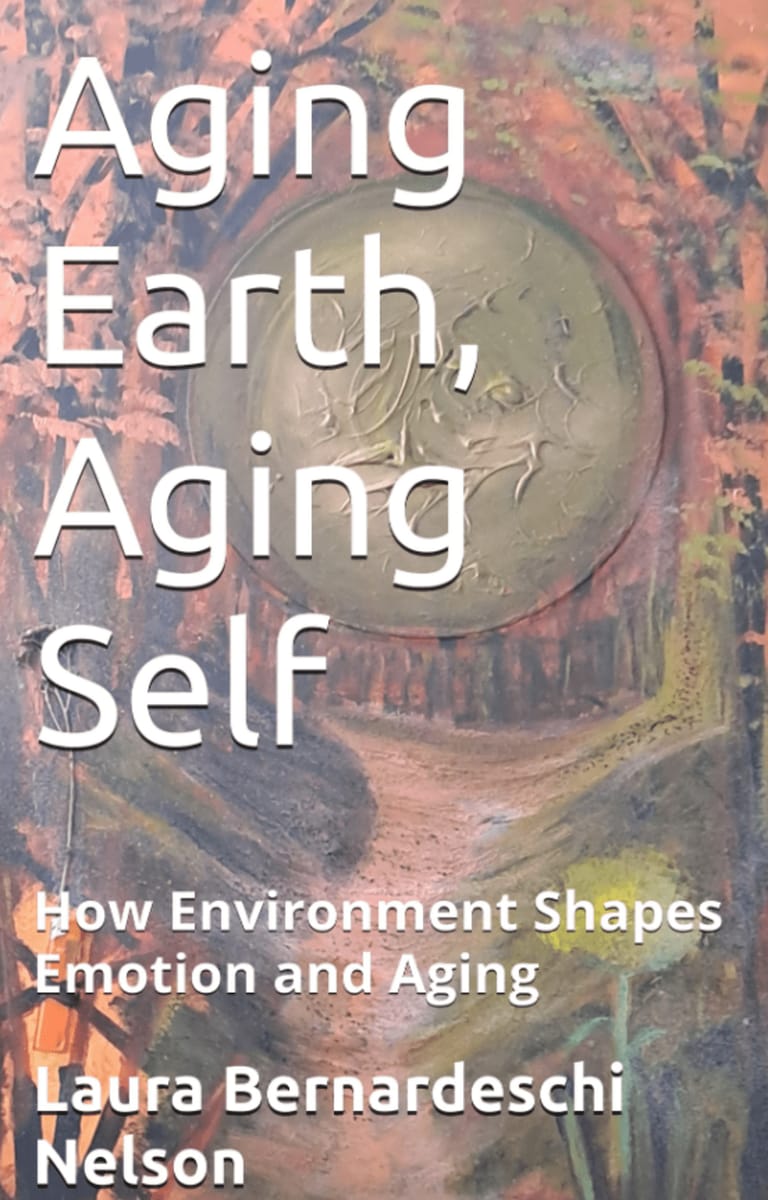
My response to these changes is not purely intellectual or emotional—it’s material. It happens in my studio, in the way I choose what to touch, what to keep, and what to transform.
Over time, my practice has shifted toward a stricter philosophy: utilize everything.
Before I even consider buying new materials, I stop and look at what already exists. What has been discarded. What has been overlooked. What has washed ashore.
My recent work is built from:
- Found Objects: fragments carried by the tide, plastics softened by salt, wood reshaped by water and time
- Transformed Relics: broken or “dead” items given a second life through layering, embedding, and recontextualizing
- Recycled Textures: surfaces that carry the marks of use, erosion, and neglect—echoing the fragile beauty we are losing
There is something deeply intentional about refusing to buy. In a culture driven by endless consumption, restraint becomes a radical act.
Each piece I create becomes a kind of archive. By embedding fragments of waste into canvas, resin, and paint, I am preserving a moment of environmental history. Not in a scientific sense, but in a tactile, emotional one.
These materials are not neutral. They carry stories—of production, of disposal, of movement across landscapes and oceans. When they enter my work, they don’t disappear. They speak.
Art as an Early Warning System

Why do I return to the sea, again and again, in my work?
Because the ocean remembers.
It absorbs heat long before we feel its consequences on land. It collects our plastic, our chemicals, our excess. And now, increasingly, it carries species into places they do not belong.
The sea is not just a backdrop. It is a living record of our actions.
When I create using recycled materials, I am trying to process something that is difficult to articulate: a kind of climate grief. Not dramatic, not sudden—but cumulative. A quiet awareness that something fundamental is shifting, and that we are both witnesses and participants.
A 3-degree increase might sound trivial to someone lying on a beach. But to an ecosystem, it is a fever. It alters breeding cycles, food chains, migration patterns. It redraws boundaries that once seemed stable.
My work exists in that tension.
It becomes a bridge between my Italian roots and my British present. Between the warmth I remember and the cold that is slowly dissolving. Between familiarity and displacement.
The Red Mullet in Newcastle is not just a curiosity. It is a signal. And through my work, I try to hold that signal in place long enough for someone else to notice it.
Conclusion: Finding Balance in the Heat
I moved to Newcastle for a different life—for contrast, for distance, for change. What I didn’t expect was that the climate itself would begin to blur those differences.
And yet, here we are.
As I continue to transform discarded objects into new forms, my intention remains simple: to create moments of pause. To invite reflection, not through data or argument, but through texture, composition, and presence.
We cannot continue to buy our way out of environmental crisis. That logic is part of the problem itself.
What we can do is re-make. Re-use. Re-imagine.
Whether it’s an oyster bed in the North Sea or a canvas in a studio, survival depends on balance—on understanding limits, and working within them rather than against them.
Next time you stand by the coast, take a moment. Look closely at the water.
It’s not just the tide coming in.
It’s a whole new world arriving with it.
Thanks for reading