
www.saatchiart.com/lauraartist68
Chapter 1: Discovering Mixed Media
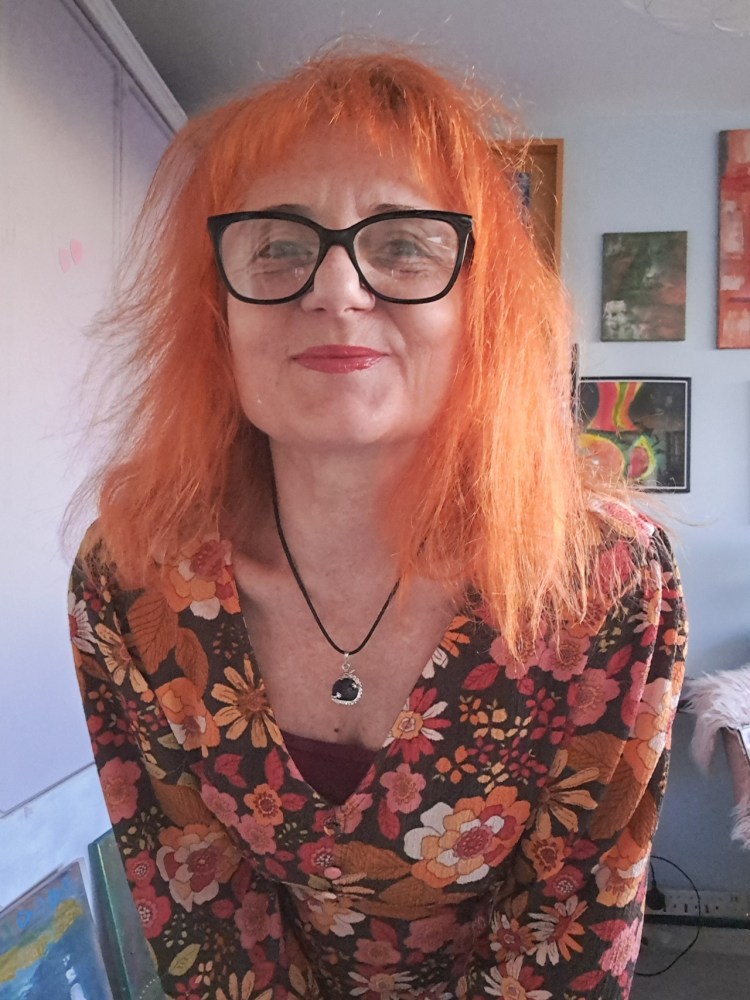
2024 was a year of profound change and evolution for Laura. It was a year that marked the end of old chapters and the beginning of a new, exciting journey—both in her personal and artistic life. In the span of a few months, she sold the house that had always felt more like a burden than a home, choosing instead to relocate to a new house just outside of Newcastle. The fresh start was symbolic of the internal shifts she was undergoing. Alongside this move, she also started a new job that filled her with energy and a sense of purpose. And, in an unexpected twist, she got married—a life-altering commitment that brought joy, stability, and a deeper understanding of her own heart.
But it wasn’t just the new house, job, or marriage that changed Laura’s life; it was the way these experiences forced her to confront herself. Amidst the whirlwind of life events, she found herself reflecting deeply on her own feelings, her growth, and her creative spirit. With everything shifting around her, Laura turned inward, seeking to express the complexity of her emotions through her art.
For years, acrylic paints had been her faithful medium. They were bold, they were fast, and they matched her energetic style. But with everything around her changing, she felt drawn to try something different—something slower, more deliberate. It was almost as if her creativity itself needed space to breathe and evolve. So, for the first time in a long while, Laura decided to step away from her beloved acrylics. She took a leap into the world of oil pastels and soft pastels, two mediums she had never fully explored before.
This transition was more than just a change in materials—it felt like a reinvention of her own artistic language. The rich, vibrant pigments of oil pastels and the smooth, velvety texture of soft pastels opened up new dimensions of expression for her. Where acrylics were bright and spontaneous, pastels gave her a sense of control and depth. They invited her to layer, smudge, and blend in ways she had never allowed herself to do before.
Her new job also played an instrumental role in this artistic transformation. It wasn’t just about the paycheck—it was about the intellectual stimulation that came with it. As part of her role, Laura had the opportunity to dive into books about art history, something she had always been passionate about but never had the time to explore deeply. She began reading works by some of her favorite artists—Vincent van Gogh, Pablo Picasso, Gustav Klimt, and David Hockney—as well as diving into the psychological intensity of Lucian Freud and Edvard Munch. The Impressionists gave her a fresh appreciation for color and light, while Pop Art sparked something playful and bold within her.
Of these influences, David Hockney’s portraits had the most immediate and profound impact on Laura’s artistic journey. Hockney’s vivid, almost hyper-real use of color in his portraits was a revelation to her. The way he infused his subjects with life and personality through simple, yet striking color choices sparked an urge in Laura to push the boundaries of her own work. It was as though she could see her art in a new light—bold, unapologetic, and brimming with expression. His portraits made her realize that she, too, could experiment with new media to express raw emotion and personality on the canvas. Hockney’s work became a beacon, lighting the way toward her own artistic experimentation.
Similarly, Gustav Klimt’s unique use of color—particularly his golden hues—further encouraged Laura to explore new textures and materials. Klimt’s intricate and symbolic use of gold, often paired with deep reds and oranges, resonated deeply with her. His ability to weave emotional depth into his work through color inspired Laura to be more adventurous with her palette. She began to experiment with metallics, incorporating gold into her canvases in ways she had never thought to before. Red and orange tones became more prominent in her work, mirroring both her inner energy and the intensity of the world around her. Klimt’s influence reminded Laura that art was not just about form and content, but also about infusing the work with meaning through the very materials and colors used.
The first step to Pop Art, however, was thanks to Andy Warhol. His vibrant colors and bold, repetitive style had a profound influence on Laura, especially in her portraits and self-portraits. Warhol’s ability to turn everyday subjects into iconic pieces of art inspired Laura to think differently about her own subjects. She began to see her portraits as opportunities to blend vivid colors with emotional storytelling, creating works that felt both modern and deeply personal. His fearless use of unconventional techniques emboldened Laura to embrace her unique artistic voice.
As she delved deeper into the world of oil pastels and soft pastels, Laura began to see her work take on a new, layered dimension. The blending and smudging of pastels allowed her to create textures that felt organic, almost like the texture of life itself—rough, yet beautiful in its imperfections. And the colors—rich, intense, and sometimes metallic—began to represent not just the physical world, but the emotional landscape she was navigating.
Though she may not have known it at the time, Laura was embarking on an artistic journey that would define the next stage of her life. With a mix of curiosity and excitement, she embraced the unknown, letting herself be guided by intuition rather than restriction. The year 2024, with all its upheaval and change, became the perfect backdrop for her to truly explore her creativity.
Chapter 2: The Birth of New Ideas
From 2015 to 2021, Laura’s life was marked by significant challenges and profound changes. Initially in London, she faced the mental abuse of an ex-partner, which took a toll on her emotional well-being. Seeking a fresh start, she moved to Bristol, where things began to improve. However, just as life seemed to be heading in a positive direction, the COVID-19 pandemic struck, altering the course of her life and the lives of countless others.
Despite the hardships of the pandemic, this period brought unexpected beauty into Laura’s life. She formed meaningful connections with new friends and embarked on countryside excursions that she fondly referred to as “hackings.” These adventures allowed her to immerse herself in nature’s beauty, particularly the countless shades of green that surrounded her. This experience deeply inspired her, sparking a newfound appreciation for the natural world. Yet, the joy of these moments was overshadowed by sorrow: the loss of a dear friend to cancer and the departure of other close friends from the UK left her grappling with grief and uncertainty.
Fed up with the instability and emotional toll, Laura decided to start anew in Newcastle upon Tyne. This move marked a significant turning point in her life. She embraced a new job and purchased her first flat in the UK, creating a sense of stability she had long sought. She also found love again, and after three years, her relationship blossomed into a happy marriage. However, the constant changes and upheavals were not without their challenges, as anxiety and stress about an uncertain future weighed heavily on her.
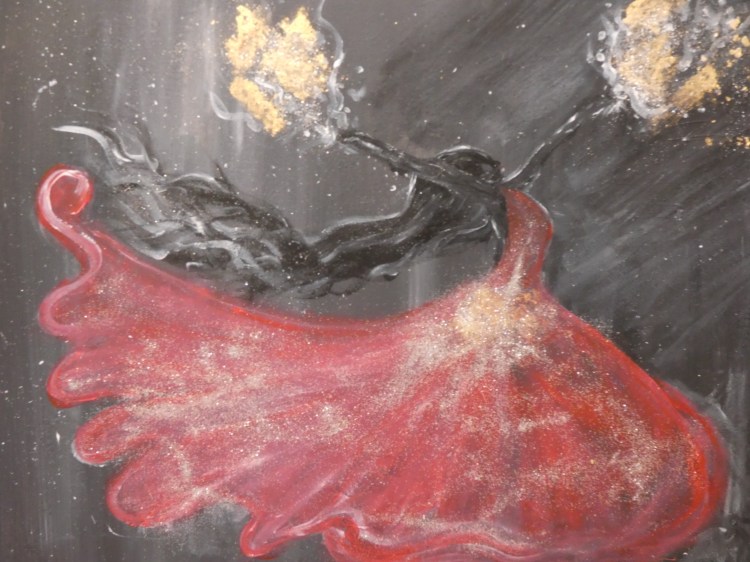
Through these personal struggles and life changes, Laura found fuel for her art. Newcastle became the backdrop for a creative transformation. When life began to stabilize, Laura’s work shifted dramatically. She moved away from depicting sad women crying out against emotional abuse and began exploring themes of women’s strength, mental health, and rediscovery. Her canvases began to celebrate resilience and empowerment, reflecting her own journey of healing and growth.
Nature also became a central theme in Laura’s art. Her love for the natural world and the time spent immersed in its beauty inspired her to address issues connected to climate change. This passion was reflected in her work, as she sought to capture not only the splendor of the environment but also the urgency of preserving it for future generations.
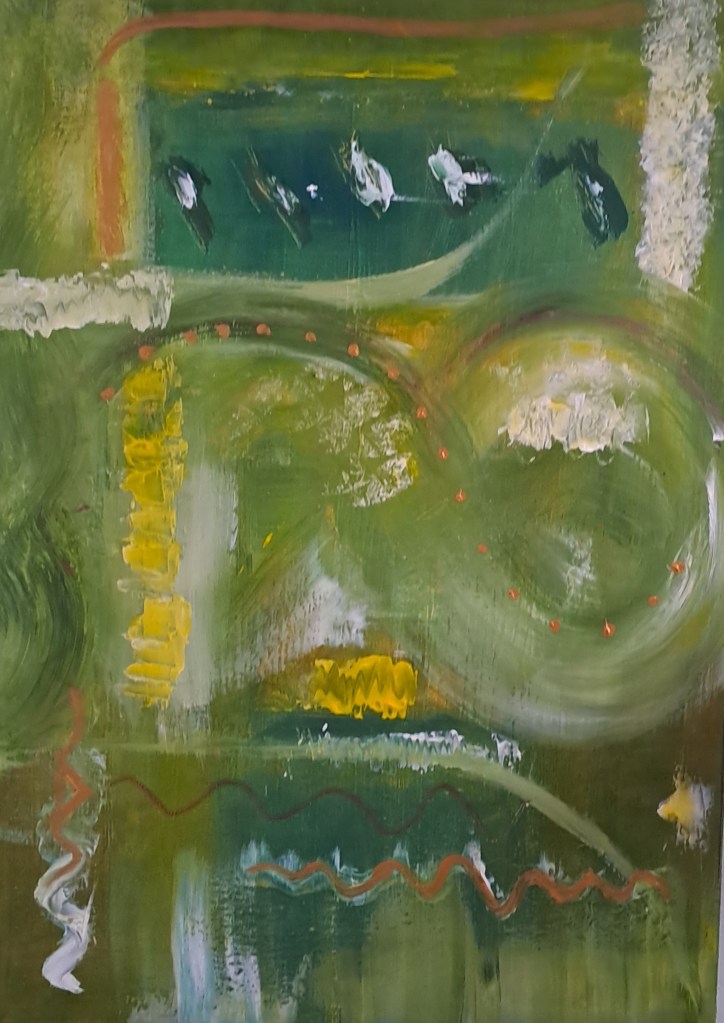
Laura’s early works during this period vividly mirrored her internal transformations. Pieces that once conveyed sadness and despair evolved into vibrant celebrations of strength and renewal. The shades of green she admired during her countryside hackings found their way onto her canvases, symbolizing growth, life, and hope. Her art became a testament to her resilience, a way of turning personal pain into powerful visual narratives.
Through her journey of self-discovery and artistic reinvention, Laura continued to prove that even in the face of adversity, beauty and strength could emerge. Her art became a reflection of her story: one of overcoming challenges, embracing change, and finding inspiration in the world around her.
Mixed Media as Therapy
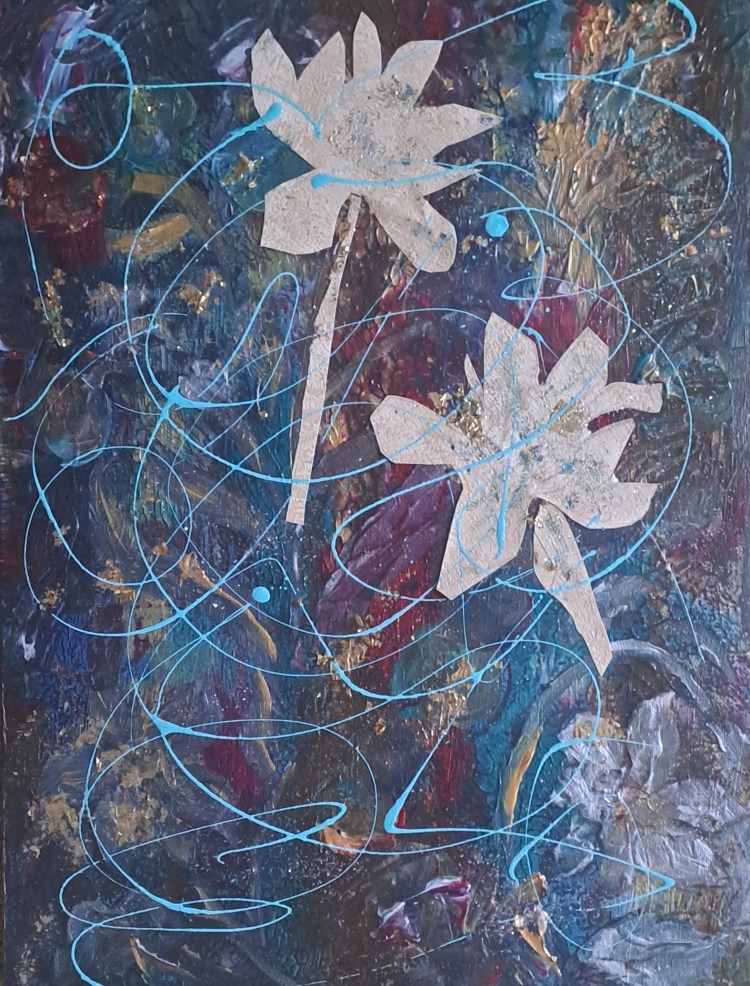
For Laura, mixed media became a profound tool for dealing with grief and emotional healing. During some of her darkest moments, art provided a means to process her pain and find a sense of balance. Specific works, often featuring vibrant colors, helped her address the physical manifestations of her emotions—such as the pain in her stomach that she frequently associated with depression and melancholy. Bright, uplifting hues served as a form of visual and emotional relief, softening the weight of her struggles.
One recurring theme in her artwork was the portrayal of happy women. These figures, often drawn or painted on paper, became reflections of Laura’s inner self—an aspirational representation of the strength and joy she sought to rediscover. While their facial shapes and hair colors were distinct from her own, these women were, in essence, self-portraits. They symbolized the soul of the moment and the emotions she was striving to capture.
The use of different media on a single canvas also played a crucial role in her journey. Through experimentation, Laura found confidence in her art. In the past, she had adhered more strictly to traditional artistic rules, often feeling constrained by them. However, her perspective shifted as she immersed herself in art books discovered at the library where she worked. These readings inspired her to embrace the philosophy that art is a form of freedom, and there are no rigid rules to follow. For Laura, the most important aspect of her creative process became creating something that resonated with her personally—something she genuinely enjoyed.
This newfound confidence allowed her to break away from the idea of creating art solely for commercial purposes. Laura rejected the notion of producing canvases just to sell them. Instead, she used her creativity as a form of art therapy, pouring her emotions onto the canvas. Each piece became a sanctuary for her thoughts and feelings, a safe space where she could add elements that brought her comfort and joy. This approach not only helped her heal but also allowed her to explore the depths of her imagination and artistry.
Blending colors and textures became a metaphor for her inner turmoil and healing. Just as different mediums came together to create a harmonious whole, Laura found ways to piece together her emotions, layer by layer. Her art was a testament to resilience, a visual diary of her journey toward emotional restoration and creative liberation.
The Turning Point
At the beginning of 2024, Laura experienced a profound shift in her life. She started an amazing new job that brought her joy and fulfillment, got married to the man she loved, and made the decision to rent out her flat in order to buy a new home with her partner. For the first time in ten long years, Laura began to feel that the dark tunnel she had been navigating was finally coming to an end.
While moments of sadness and nostalgia still surfaced—especially when she reflected on the happy times spent in Bristol during the lockdown, hiking through the beautiful countryside of the southwest with her best friends—this newfound stability gave her the energy to stop dwelling on negativity. She reclaimed her life with renewed strength and optimism.
This emotional transformation was vividly reflected in her artwork. Women began to appear on her canvases as bold, confident figures, ready for parties or adorned with striking hair colors that made powerful statements. These characters seemed to declare, “I am here! I am who I am. If you don’t like me, I don’t care because I have nothing to be ashamed of.” These paintings became a celebration of self-expression and resilience, exuding an unapologetic sense of freedom and individuality.
Pop art played a pivotal role in this chapter of Laura’s life. Its bold colors and striking contrasts became her artistic therapy, enabling her to channel her newfound strength and clarity. Bright, unapologetic hues filled her canvases, representing her refusal to be confined by past struggles.
Some of Laura’s key works during this period encapsulated her transformation. These pieces, with their vivid palettes and dynamic compositions, reflected her journey from darkness to light. They celebrated her resilience and embodied her mantra of self-acceptance and empowerment. Through her art, Laura not only reclaimed her life but also inspired others to embrace their own individuality and inner strength.
The Climate Crisis and Figurative Works
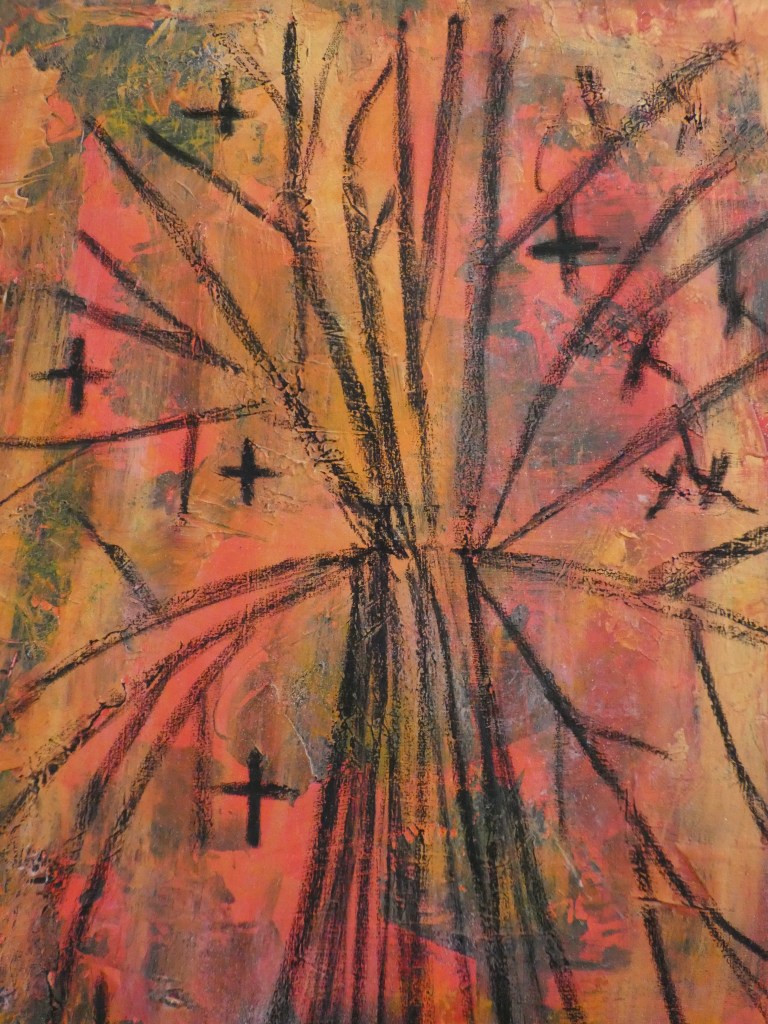
The climate crisis became a central theme in Laura’s figurative works. Every day, she was deeply affected by news of devastating forest fires, flash floods, and powerful storms that claimed lives and destroyed ecosystems. Inspired by Pablo Picasso’s belief that art should engage with social issues, Laura saw her work as a way to raise awareness about the urgent need to address climate change.
Initially, Laura worked exclusively with acrylic colors on canvas, but over the past year, her approach evolved into something more revolutionary. She began incorporating mixed media and found objects, such as leaves, glitter, old CDs, and vinyl records, into her work. These materials symbolized her commitment to recycling and reducing waste, aligning her art with her values. Through her pieces, she shouted, “Save the planet!” urging viewers to consider how recycling and sustainability can make a difference.
To reinforce her commitment to this message, Laura even repainted some of her older canvases, recycling materials wherever she could. For her, art was not only a form of therapy but also a medium to connect with and address the pressing issues of the world.
When creating her climate-themed artworks, Laura often worked intuitively. She would begin with soft pastels or oil pastels, allowing her ideas to emerge organically, before reinforcing them with acrylic colors. Old vinyl records or CDs often became the focal points of her compositions, symbolizing the fragility and beauty of our planet. These objects, repurposed into her art, embodied her belief in the power of reuse and sustainability.
Laura’s creative process was fluid and instinctive. Sometimes, she would pause mid-painting to reflect and let new ideas surface. Returning to the canvas, she felt as though it “spoke” to her, guiding her toward the final message of each piece. This freedom to follow her instincts and imagination was essential to her creative process, particularly when expressing her passionate plea for the world to protect the planet.
Through her climate-themed works, Laura channeled her strength and urgency directly to her audience. By allowing her instincts to guide her, she believed her message would resonate more powerfully with those who viewed her art, inspiring them to take action and cherish the world we all share.
Reaching the World
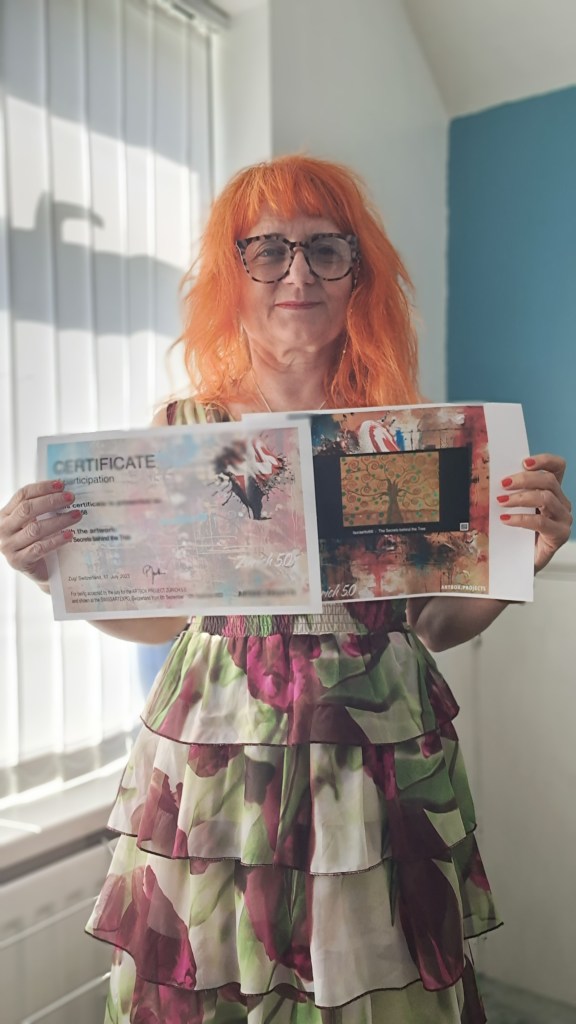
Laura began showcasing her artwork publicly in 2018, just one year after embarking on her artistic journey. Her first exhibitions took place in London and Swindon. However, during this time, Laura was burdened by the emotional abuse of her ex-partner, which severely eroded her self-confidence. The struggle to find her footing in the art world was compounded by personal challenges.
A new chapter began when Laura moved to Bristol. Determined to establish herself, she applied for representation by an art gallery and was fortunate to secure both representation and a short-term role working within the gallery itself. This experience offered her invaluable insight into the professional art world. Yet, just as her ambitions were taking shape, the COVID-19 pandemic disrupted her progress, halting exhibitions and limiting opportunities.
Upon relocating to Newcastle and finding the stability she craved, Laura rekindled her artistic aspirations. She began actively searching for art calls and exhibition opportunities. Early rejections could have deterred her, but instead, they fueled her determination. She refined her technique and shifted her focus from purely colorful abstracts to addressing broader, impactful themes such as climate change, mental health, and immigration. These subjects imbued her work with storytelling and resonated deeply with art curators, leading to numerous exhibition invitations.
Laura takes a thoughtful approach to her art career. She rarely applies to exhibitions that require an upfront fee, wary of potential scams. Instead, she prefers to pay fees only after receiving positive replies from curators. Her generosity also shines through; she has donated canvases to studios and auctions supporting causes such as Alzheimer’s research, mental health initiatives, and animal welfare. This blend of social awareness and artistry has furthered her connection with audiences and communities.
In addition to physical exhibitions, Laura maintains an online presence through platforms like Saatchi Art, where she occasionally sells her work. This digital exposure complements her growing confidence and ambition. Her ultimate goal is to organise a solo exhibition—a significant milestone for any artist. Recognising the financial barriers associated with traditional galleries, Laura is exploring alternative venues in Newcastle and nearby cities, such as pubs, libraries, and coffee shops. These spaces offer a more accessible and intimate way to connect with viewers.
While Newcastle may not have the expansive art scene of London, Laura frequently applies to exhibitions in the capital, embracing the three-hour train journey as an opportunity rather than a hindrance. She also seeks recognition through art publications like ArtistCloseUp and Itsliquid, aiming to expand her presence on the global stage. Recently, she has set her sights on breaking into the U.S. market via platforms such as Fine Art America.
The reception to Laura’s pieces has been overwhelmingly positive. Viewers are drawn to the stories her art conveys, finding her work both emotionally evocative and socially relevant. Through this journey, Laura has not only overcome self-doubt but has also embraced vulnerability as a source of strength. Her evolving artistry reflects a personal narrative of resilience and empowerment, inspiring those who encounter her work.
Continuous Growth and Learning
For Laura, the path of an artist is never static; it’s an ever-evolving journey of discovery, refinement, and connection. She considers herself fortunate to have met a true master of art during her time in Bristol—a mentor who profoundly shaped her understanding of creativity. From this experience, she learned an invaluable lesson: while technical skills can be taught, the true spark of creativity comes from within, born out of the heart and mind of the artist. This belief became the cornerstone of her process, driving her to infuse each piece with deeper meaning. Every brushstroke and every found object glued onto her canvases carries a story, a message waiting to be shared with the world.
Laura’s emphasis on storytelling has resonated with many of her admirers and colleagues. She often receives messages from those inspired by her ability to articulate the thought process behind her works, sharing the emotions, struggles, and revelations that bring them to life. These connections fuel her passion and push her to continue exploring new techniques and ideas.
Over the years, Laura has attended countless workshops, beginning with her time as a life model in cities like London, Swindon, Bristol, Bath, and Newcastle. These experiences provided her with a
foundation, but she believes there is always more to learn. In her current home of Newcastle upon Tyne, Laura takes full advantage of the city’s offerings, attending workshops on printmaking, drawing, and watercolors. These gatherings not only sharpen her skills but also connect her with like-minded individuals who share her passion for art.
While Newcastle may not have the vast artistic resources of London, Laura sees its workshops as a valuable source of energy and inspiration. For her, these events are more than just skill-building opportunities; they are a chance to socialize and share ideas with people who understand the unique perspective of an artist. Although her day-to-day job doesn’t provide the same opportunity for artistic discussions, Laura embraces this balance, finding fulfillment in these creative exchanges outside of work.
In addition to in-person workshops, Laura often turns to online platforms like YouTube for art lessons, especially during the cold winter evenings. She appreciates the accessibility of these resources, which allow her to stay connected to the global art community and continuously expand her knowledge. For Laura, being an artist is about remaining open to new ideas, constantly refining her craft, and embracing creativity in all its forms. The combination of personal exploration, formal workshops, and online learning has helped her grow not only as an artist but also as an individual.
Laura firmly believes that art is not just a static product but a dynamic process. It’s about pushing boundaries, learning new techniques, and engaging with the world around her. This commitment to growth has kept her passion alive and continues to shape her journey, proving that an artist’s work is never truly finished—it is always evolving.
Mistakes as Triumphs
For Laura, mistakes in art are not failures—they are stepping stones to growth and a celebration of the creative spirit. At the beginning of her artistic journey, Laura lacked confidence and often hesitated to share her work with the world, fearing judgment or criticism. Over time, however, her perspective shifted. Thanks to the wisdom of her mentor, Laura came to understand that art, like life, is a process of trial and error. Mistakes are not setbacks but opportunities to learn, evolve, and discover new possibilities.
She now firmly believes that mistakes are an essential part of any artist’s journey. “If I don’t try,” Laura often reflects, “I’ll never know.” For example, she recalls the first time she attempted to paint a sycamore tree with watercolors—a medium she had little experience with. It was a risk, and the results weren’t perfect. But instead of seeing this as a failure, Laura viewed it as an experiment. The process taught her not only about watercolors but also about her preferences as an artist.
“If I’m happy with the result, I’ll continue exploring the medium,” she explains. “But if I’m not, I’ll move on to something else—maybe soft pastels or acrylics. The important thing is to try, to make mistakes, and to embrace them as part of the creative process.”
Laura likens this approach to how children learn to walk. They stumble, fall, and get back up again, each time stronger and more confident. In the same way, artists must allow themselves the freedom to stumble, trusting that every misstep brings them closer to their unique voice and style.
This philosophy has become a cornerstone of Laura’s creative process. It has not only freed her from the fear of imperfection but also encouraged her to experiment boldly with different materials, techniques, and ideas. Her willingness to embrace mistakes has led to some of her most unexpected and impactful works, where the “flaws” often become the most beautiful and meaningful elements.
For Laura, art is not about perfection. It’s about the courage to create, the resilience to learn, and the joy of discovery. Every brushstroke, every misplaced line, every unplanned smudge is a testament to the artist’s journey—a reminder that mistakes are not just inevitable but necessary.
Final Thoughts on the Freedom of Artistic Expression
For Laura, the ultimate freedom lies in artistic expression—a journey of self-discovery and limitless creativity. Her ongoing exploration of her creativity gives her the confidence to embrace her identity as a true artist, even in the face of challenges.
Laura acknowledges that her work may not always align with the tastes of the masses. Her bold colors and daring compositions often diverge from what is considered “popular” or “commercial.” But she refuses to compromise her vision. “I can’t paint in black if that day I feel like a strong, vibrant red woman,” she explains. “And I can’t force myself to create an abstract piece if I feel inspired to paint a scene of quiet exhaustion—me slumped in an armchair after a long day of mundane conversations.”
This steadfast commitment to authenticity is both her strength and her challenge. Laura understands that being an artist means sometimes waiting for the world to catch up with your vision. She doesn’t let slow sales or market trends dictate her worth. Instead, she holds firmly to her self-respect, valuing her work not just for its materials and labor but for the emotions and stories each piece holds. “I won’t sell my art for pennies because I know its value,” she asserts.
Laura also acknowledges that building a career as an artist takes patience, strategy, and the right opportunities. While she admires the traditional art of her current home in Newcastle, such as depictions of the Tyne Bridge or Whitley Bay beach, it’s not her style. Her work reflects her inner world and her emotions, rather than the familiar landmarks of her surroundings. As a result, she has chosen to sell through platforms and to audiences who appreciate the bold, the bright, and the unconventional.
Laura believes that success in art isn’t just about sales but about staying true to your creative spirit. “Every artist goes through the struggle of being understood,” she says, “but I trust that one day the right art curator will see my work for what it is—a story, a message, and a piece of my soul.”
This belief fuels her persistence and reinforces her philosophy: art is freedom. It’s the freedom to explore, to create without limits, and to express one’s truest self. Laura’s art isn’t confined by trends or expectations; it’s a declaration of her individuality. She embraces the journey of growth and discovery, knowing that each canvas, each stroke, and each bold choice brings her closer to her ultimate goal—not just to sell art, but to connect deeply with those who resonate with her message.
A New Beginning
At the end of this long journey—from pain to healing, from experimentation to confidence, and from isolation to artistic acceptance—I find myself content and proud. I am happy with who I am as a woman, with the techniques and experimentation that define my art, and with the resilience that has shaped my path.
Art has been my constant companion—a mirror reflecting my struggles, triumphs, and transformation. It has taught me the power of vulnerability, the value of mistakes, and the joy of freedom in expression. Through every brushstroke and bold color, I’ve found pieces of myself, healed old wounds, and grown into someone I respect and love.
To those who may feel lost or hesitant, I encourage you to embrace your own creative journey. Use art—not just as a craft but as a tool for personal expression, healing, and growth. Allow yourself to experiment, to make mistakes, and to tell your story unapologetically. Art is not about perfection; it’s about authenticity, and the world will always be richer for your unique voice.
As I stand at this new beginning, I look forward to what lies ahead—new challenges, fresh inspiration, and the endless possibilities that art offers. I hope my story inspires others to pick up a brush, a pen, or whatever medium speaks to them, and begin their own journey of self-discovery and transformation.
Here’s to the beauty of creating, the strength it builds, and the freedom it brings.
Thanks for reading
 Laura Bernardeschi Nelson artworld and travels