
Every time I decide to spend a few days in Livorno, my hometown in Tuscany, Italy, I am instantly overcome with intense, nuanced emotions. I realise right away how difficult it must be to strike a balance between the city’s historical charm and the present circumstances, as Livorno has undergone some challenging changes and there seems to be a loss of its sense of pride, culture, and identity.
I Quattro Mori
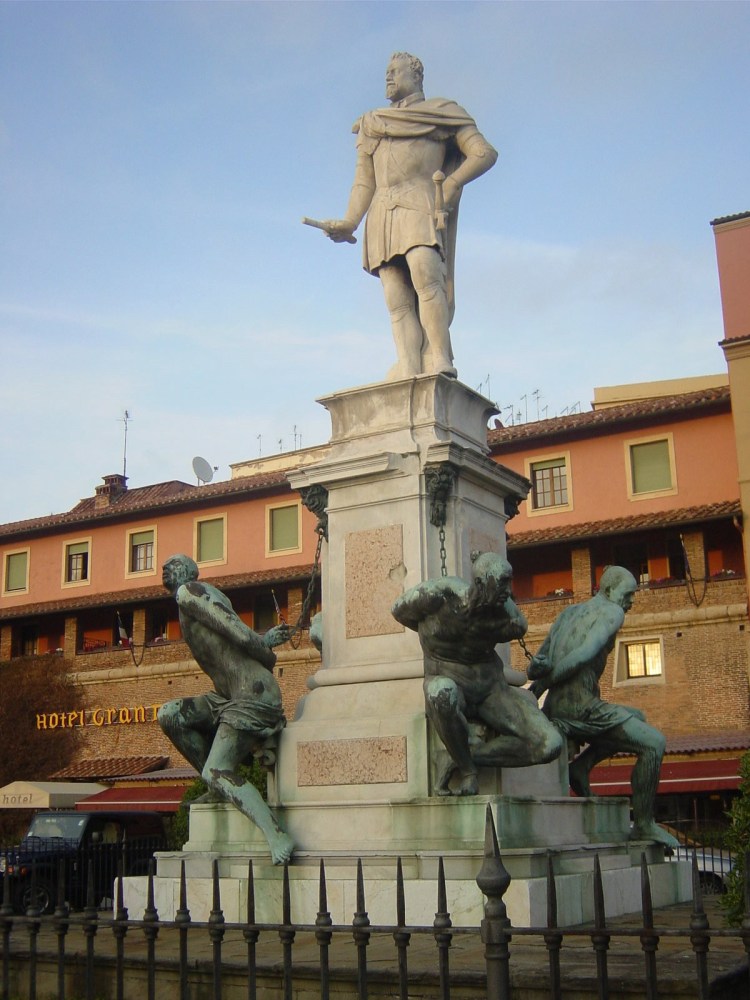
Those who view the Quattro Mori statue in light of contemporary awareness of history and its darker facets, such as colonialism, may perceive it as reflecting a more painful, antiquated legacy than the historical significance and naval victories of Livorno.

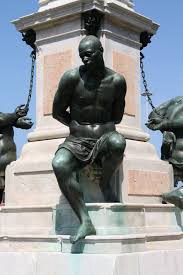
For tourists arriving by cruise ship, seeing the statue might be an uncomfortable encounter, and perhaps the city feels like it’s stuck in time, clinging to symbols that no longer resonate in a progressive or globally conscious world.
My dissatisfaction with the city’s decline also seems to be exacerbated by the rudeness, lack of interest in the outside world, and self-centred behaviours of some residents.
Piazza della Repubblica
It is always evident to me when I stroll through the city centre that Livorno feels “stuck in the past,” particularly in areas like Piazza della Repubblica. A square devoid of trees or other greenery must feel chilly and uninviting, mirroring the general deterioration you see in the city’s public areas and infrastructure.
The rudeness and conceit of the public transport system
A sense of disillusionment appears to be exacerbated by problems with public transportation (such as drivers using cell phones while driving or ignoring the signal for bus stops), outdated city planning, and a general disrespect for public areas.
Pisa’s superiority
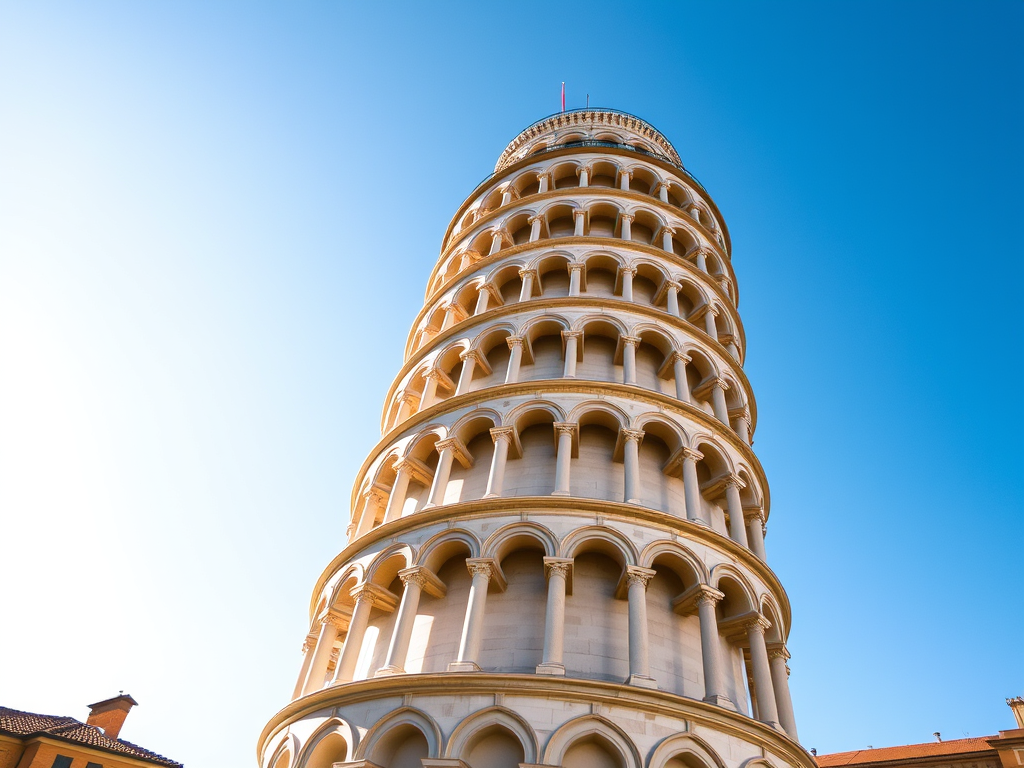
On the other hand, the contrast with nearby Pisa—its university, tourists, and cultural vibrancy—highlights the opportunity Livorno seems to be missing. Despite being so close to Pisa, it feels very different, which indicates that the city lost an opportunity to revitalise itself and connect with the region’s larger cultural and economic currents.
The culinary culture of Livorno also seems to be in decline

Though the city’s cuisine used to be a source of pride, such as the well-known caciucco or the triglie alla livornese, which are iconic dishes that carry the city’s coastal identity’s history, it seems like restaurants today no longer uphold that same culinary heritage. Another example of how the city’s authenticity is eroding is the experience of paying exorbitant prices for food that does not represent the traditional Cucina Livornese.
It is really frustrating to feel that the place I associate with so much history, culture, and personal memories has become overshadowed by decay and a lack of forward momentum. Livorno seems to be caught in a cycle of stagnation, both culturally and socially. There’s a kind of irony in the way the city—once so full of promise and pride—now struggles with self-identity, care for the community, and a lack of respect for the traditions that made it unique.
Conclusion
When a place you once loved or valued turns into something that feels foreign to you, feelings of disappointment, anger, and maybe even mourning for what might have been grew inside of me after my last visit. This led me to decide to stop going to such a depressing place.
Thanks for reading
 Laura Bernardeschi Nelson artworld and travels