It was a crisp, sunny morning in late September when Laura and Glyn set out for a day of exploration. The golden light filtered through the trees, casting playful shadows on the road as they drove through the picturesque countryside of County Durham. The excitement in their voices was palpable; they had heard wonderful things about the Beamish Museum and were eager to experience it for themselves.
“Are you sure we’re going the right way?” Glyn asked, glancing at the map on his phone. He had always been the navigator, while Laura, with her boundless enthusiasm, was the dreamer of their adventures.
“Absolutely,” Laura replied with a confident smile. “I’ve read that Beamish is not just a museum—it’s an entire living history experience. I can’t wait to see it!”
As they turned off the main road and followed the signs, the landscape began to shift. The rolling hills and patches of forest gave way to a sprawling, open space dotted with historical buildings. The entrance to Beamish was marked by a charming sign that read, “Welcome to Beamish—The Living Museum of the North.”
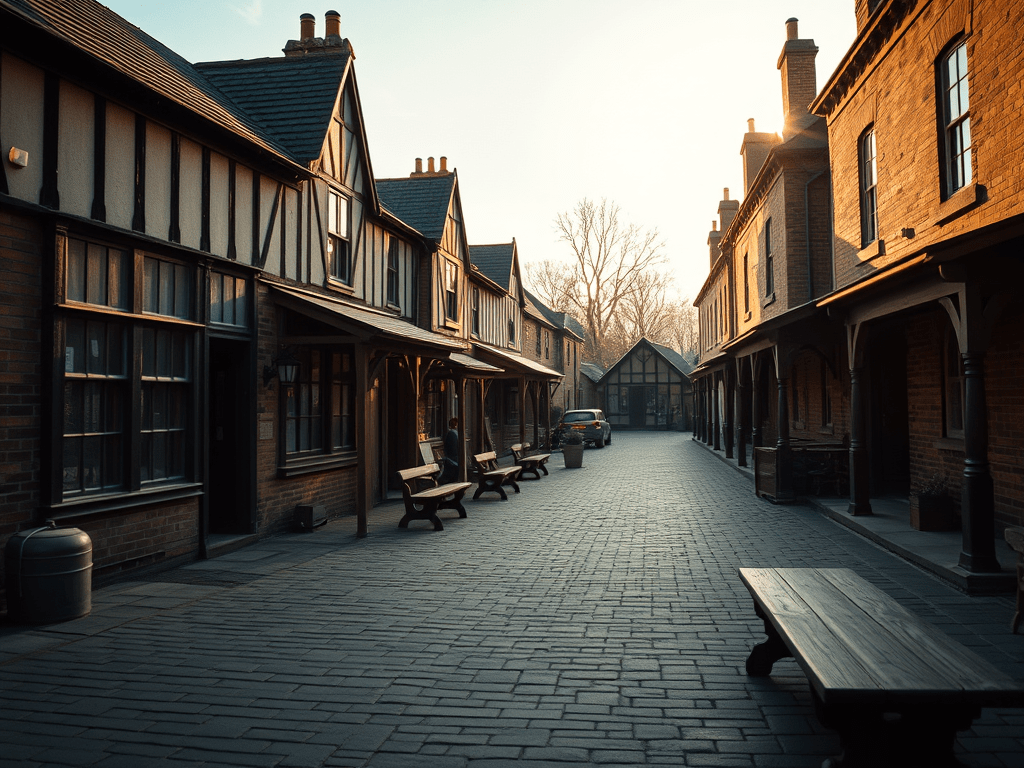
The couple arrived to find classic automobiles parked in front of a typical Edwardian townscape. Laura’s eyes sparkled with excitement as she and Glyn stepped out of their car. They purchased their tickets and walked through the entrance, which was designed to look like a quaint 1900s street.
After a short trip on a vintage bus, their first stop was the town itself, with its cobbled streets and authentic shops. They entered a sweet shops and a charming bakery where the aroma of freshly baked bread and pastries filled the air. The friendly baker, dressed in period-appropriate attire, offered them a taste of her famous scones. Laura and Glyn enjoyed their treats while marvelling at the attention to detail in the decor and clothing.
Next, they wandered to the nearby colliery village, a recreation of a mining community from the early 1900s.
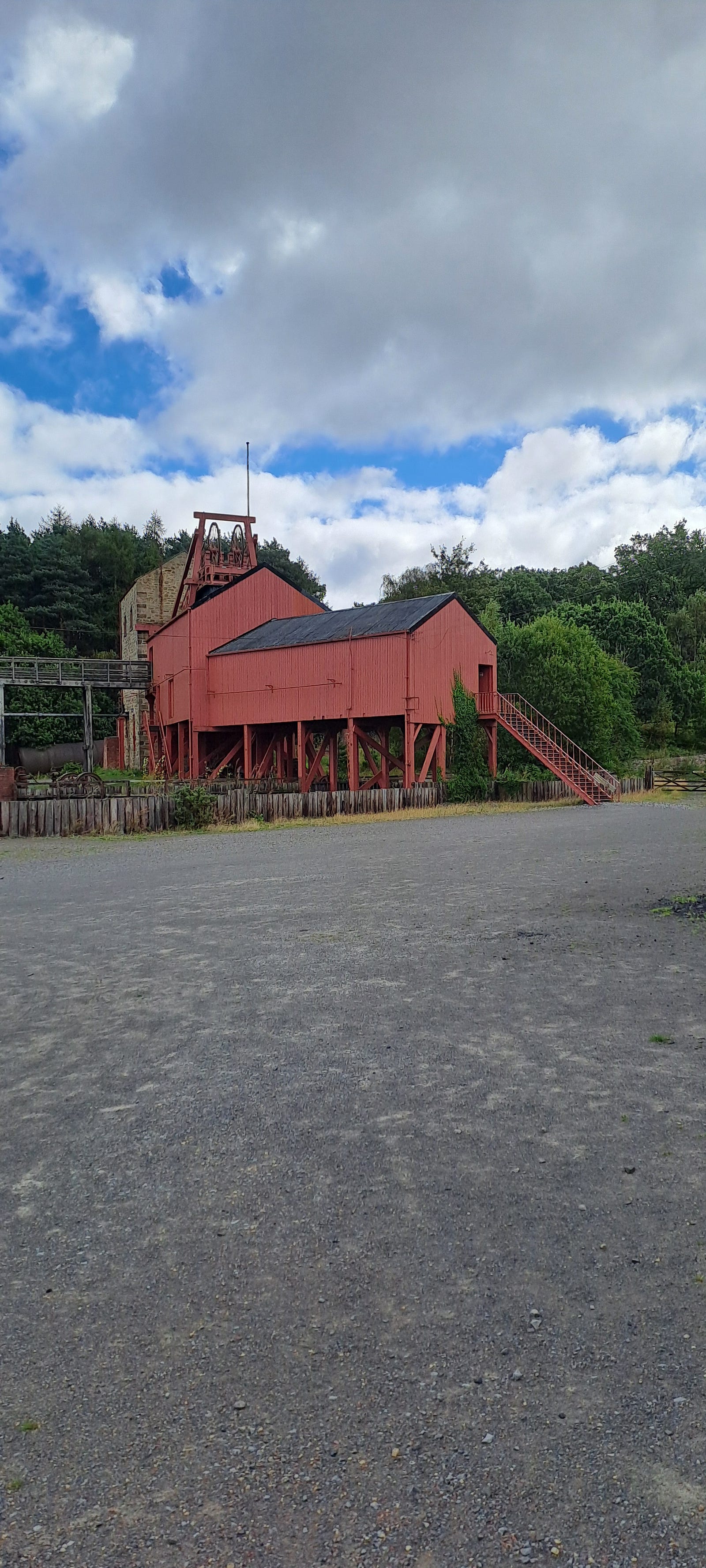
The exhibits about coal mining and the stories of the people who had worked there captivated Laura, a history buff. She was especially drawn to the blacksmith’s forge, where a craftsman passionately exhibited old skills.
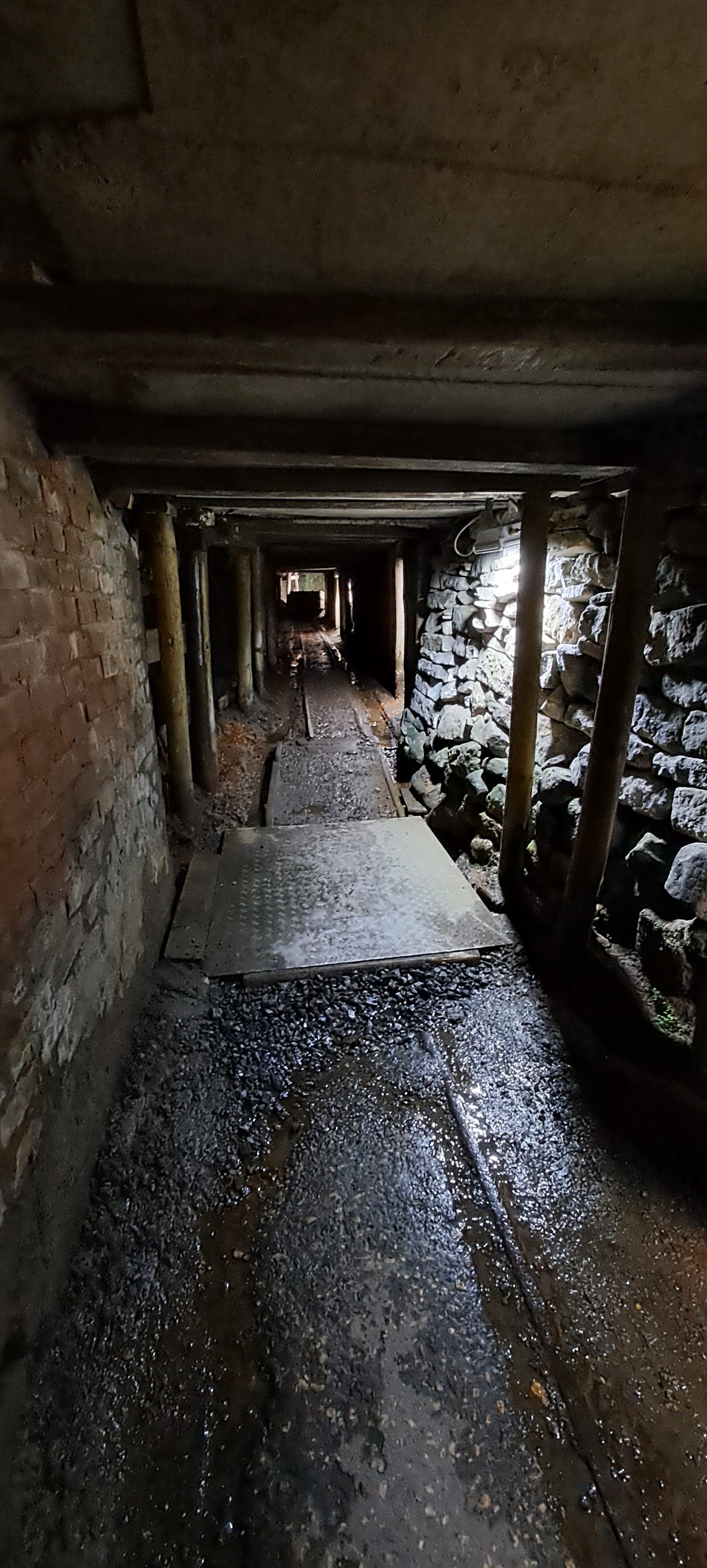
Both of them enjoyed also the tour inside the coal mine to understand better the working conditions and lives of those people who decided this hard and dangerous work.
As they explored further, they discovered a beautifully restored 1900s schoolhouse. The teacher, in full period costume, invited them in for a lesson. The experience was both educational and entertaining as the couple tried their hands at writing with dip pens and practised arithmetic on slate boards.
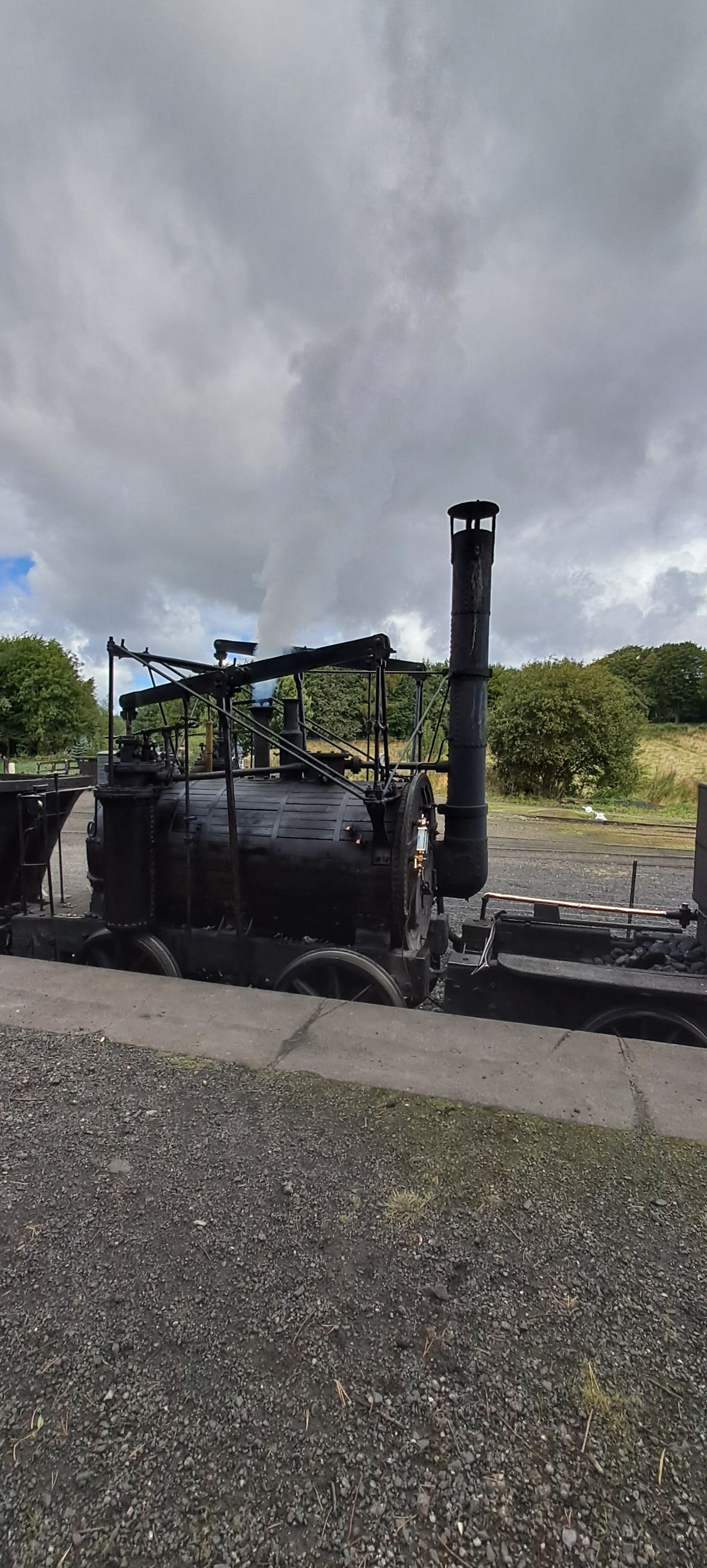
One of the highlights of their visit was the Beamish Tramway, which provided a leisurely ride through the museum grounds. They hopped aboard a vintage tram, the clanging of its bell adding to the nostalgic ambience. The ride offered a unique perspective of the museum and a moment of relaxation as they took in the scenic views.

As the sun began to dip lower in the sky, the couple made their way to the 1940s farm, where they enjoyed a delightful afternoon tea in a cosy, wartime-era kitchen.
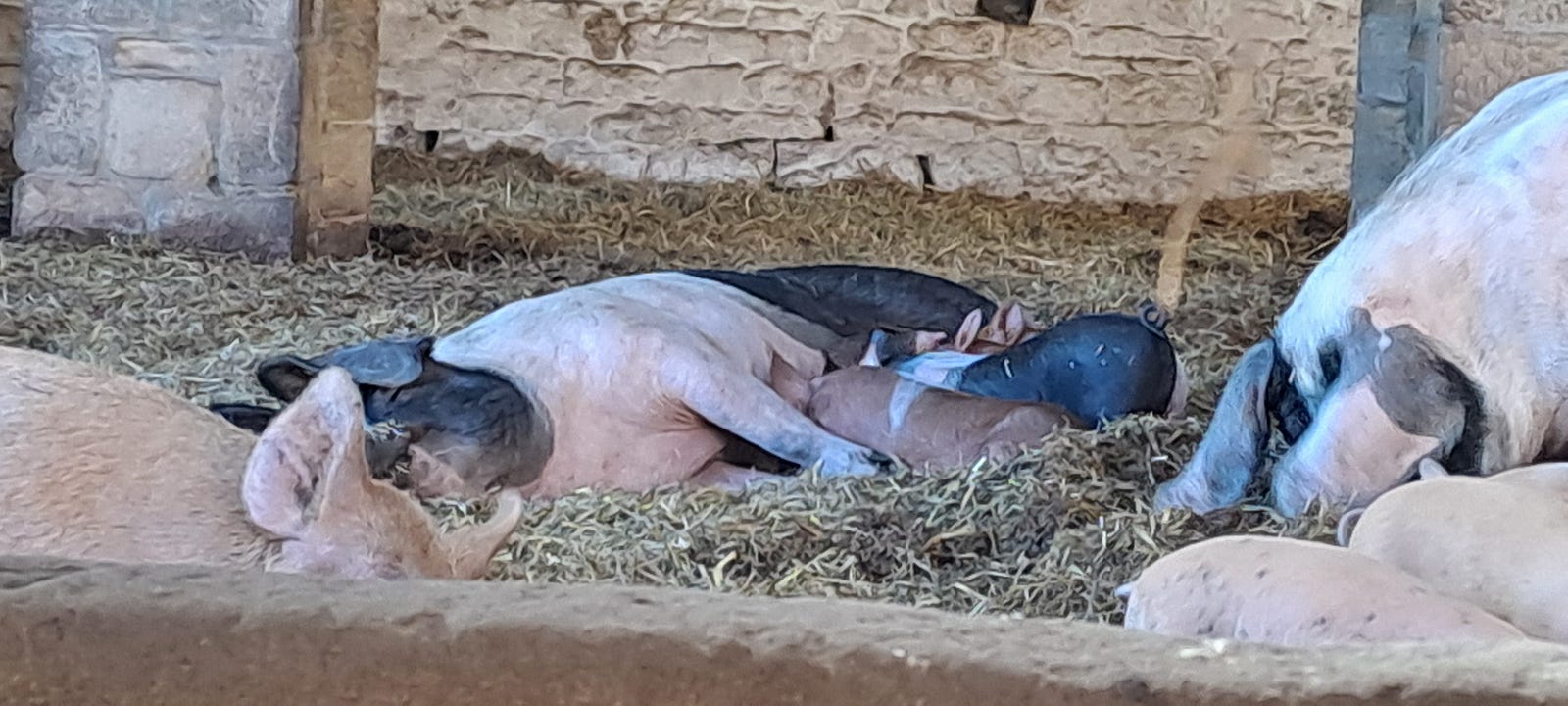
The farm was alive with the sights and sounds of agricultural life, and they spent some time feeding the friendly animals and exploring the gardens.
By the end of the day, Laura and her husband were both exhilarated and content. They wandered hand-in-hand through the museum’s beautiful grounds, reflecting on the richness of their experience.
The Beamish Museum had not only provided a fascinating glimpse into the past but had also created lasting memories for them as a couple.
As they drove away, the sky painted in hues of pink and orange, the woman turned to Glyn and said, “Today was incredible. I’m so glad we decided to come here.”
He nodded, a smile on his face. “It was more than I expected. I can’t wait to share everything we learnt with our friends.”
With the promise of more adventures on the horizon, Laura and Glyn left the Beamish Museum with hearts full of joy and a renewed appreciation for the past.
Thanks for reading
 Laura Bernardeschi Nelson artworld and travels