When I decided to move from Bristol to Newcastle upon Tyne my friends stared at me thinking I was mad. I still remember their words : “Why are you going to the north ? “

It is true . Newcastle upon Tyne is in the north of England but geographically in the middle of the Great Britain island .
The weather is not as bad as the south believes. It is cold in the winter but it is not like in Scotland. Moreover it does not rain so often because it is on the east coast and far from the Atlantic Ocean .
Newcastle is a nice city but I must admit that a large number of Geordies are still angry and unhappy about the closure of the mines and the steel companies. But this happened 40 years ago so I hope gradually the new generation will bring more happiness and changes in this city.
There are a huge number of bars, restaurants , clubs , art galleries and this brings many tourists to the city especially on the weekends.
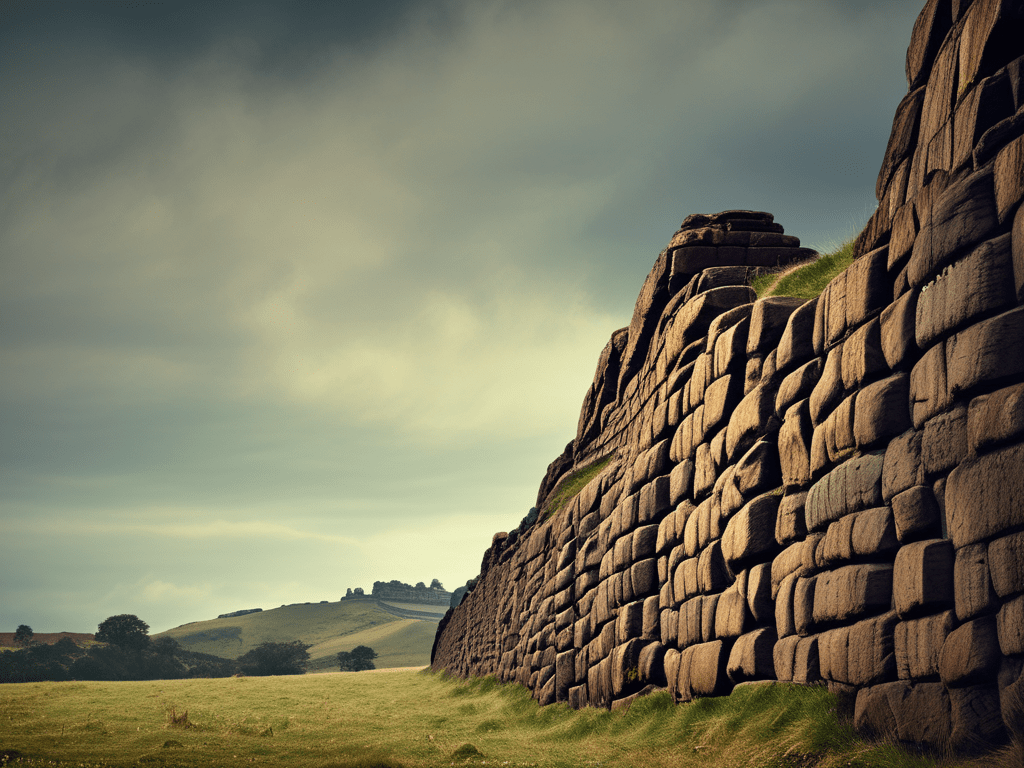
If you look for nature you can have long walks along the beautiful beaches of Tynemouth and South Shields. If you look for history you can have long walks along the Hadrian wall next to Hexam .
The public transport is efficient and thanks to buses and metro you can go around and explore the city and it is outdoors without a car.
There are two universities and this helps the city to grow culturally forever and stops that lack of culture of the past connected with people who were in the city only for manual jobs .
If you decide to buy a house, prices are more affordable than in the south because there is a good choice due to the history of the town. Just an example: if you decide to buy a semi detached house in a decent area you have not to pay more than £200,000 . Compared to Bristol you save about £200000 and compared to London you can save about £400000.
Wallsend
When I arrived in Newcastle people advised me not to look at a house in Wallsend because it was considered rough but recently I discovered this area thanks to a tour guide and was very surprised to see how much history there is .
Segedunum
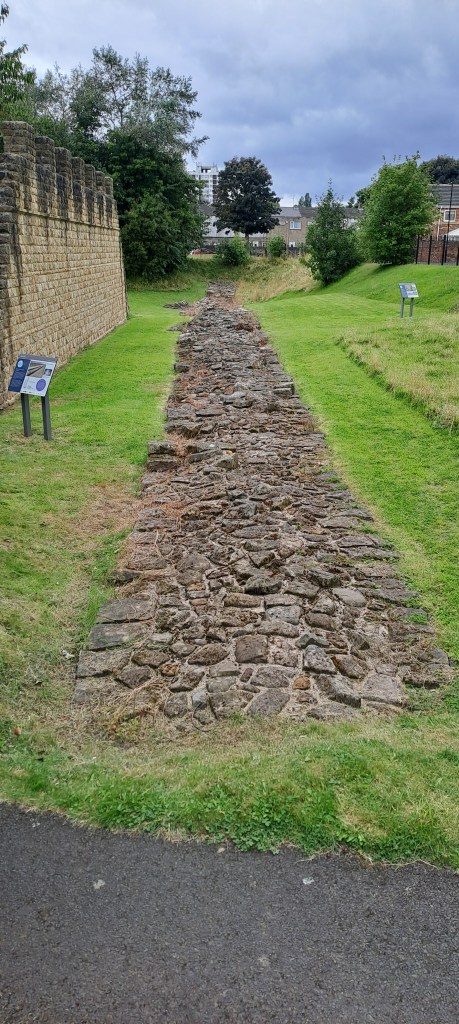
It was a Roman Fort , today Wallsend ,in Newcastle upon Tyne . The fort lay at the eastern end of Hadrian wall near the banks of the river crossing the town called Tyne . It was in use for approximately 300 years from around 122 AD to almost 400. Today Segedunum is the most thoroughly excavated fort along Hadrian’s Wall. A museum contains items of interest that were found when the site was excavated , and a large observation tower overlooks the site. A portion of the original wall is visible across the street from the museum, and a reconstruction of what the whole wall might have looked like. . There may have been a statue or monument to mark the very end of the wall, but if there ever was, it no longer exists.
Remains of Wallsend colliery
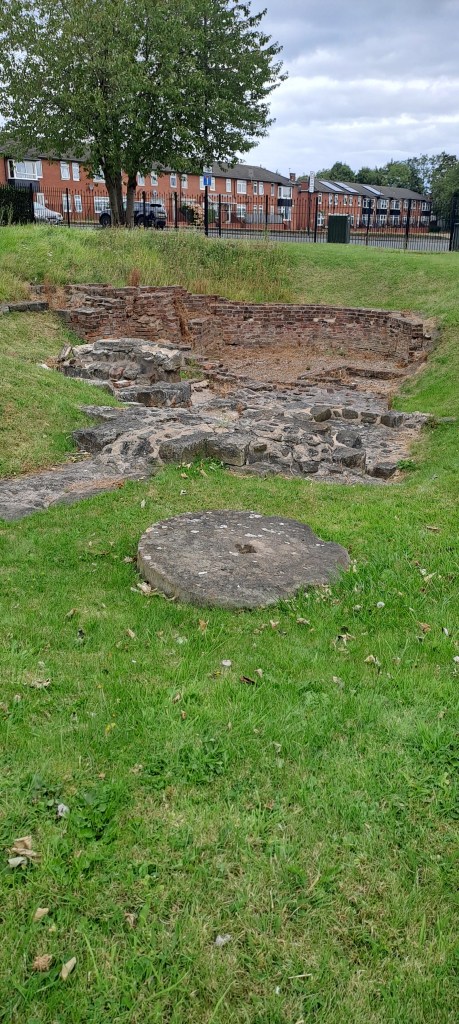
Not far from the Hadrian wall you can see the remains of this colliery. Wallsend Colliery consisted of 7 pits and was active between 1778 and 1935. The high main coal seam was nearly six feet thick and the term “Wallsend coal” was at one time widely used reflecting the rich seam and prosperity for the mine owners. In the 1820’s the pits became incorporated as ‘Russell’s Colliery’ and later became The Wallsend and Hebburn Coal Company Ltd. John Buddle , the famous mining and railway engineer, was manager of the colliery for a few years from 1806. Buddle improved mining ventilation and helped develop the Davy Lamp. There was a major disaster at Wallsend Colliery on the 18th June 1835when an explosion led to the deaths of 102 men and boys, the youngest being just 8 years old. The dead were buried in the churchyard of St. Peter’s church. The site of C Pit of Wallsend Colliery is now part of Richardson Dees park.
Richardson Dees park
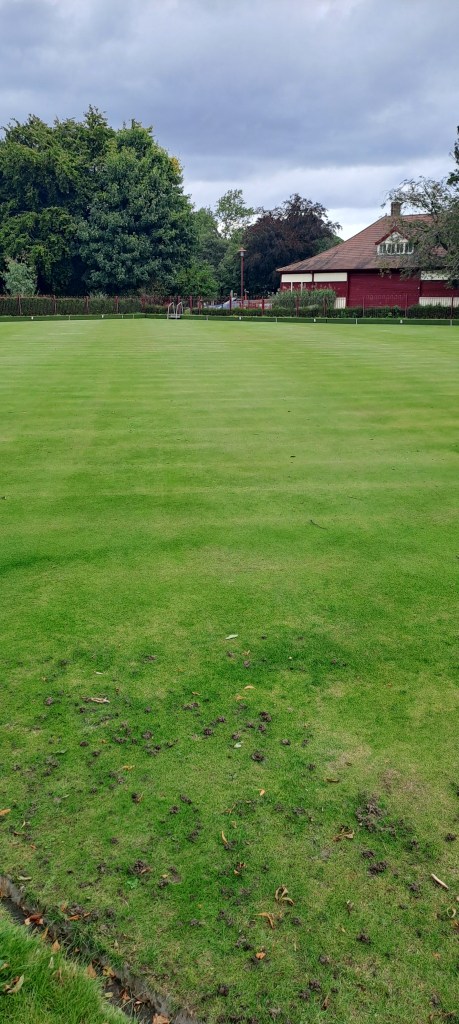
In 1897, local solicitor and benefactor Robert Richardson Dees donated fourteen acres of his Hall estate to the Urban District Council for use as a park. The land was the site of the Wallsend colliery . The park was opened on 4th June 1900, yet it would be decades before the name of which changed from Wallsend Park to its current name. G.B. Hunter , shipyard owner, local benefactor and eventual Mayor and Sir, opened the park. The opening saw the largest ever assembly witnessed at a public event in Wallsend. This is a good quality municipal park, which has benefitted from grant funding and improvements in recent years.
Sting house
While walking along the high street of Wallsend you can take some pictures at one of the houses where the famous singer Sting , real name Gordon Matthew Thomas Sumner lived during his childhood. It is easy to find because it is in the Happy Chef shop.
There are also other building to be admired even if it need urgently a restyles like the Memorial Hall and the grade II listed Coach and horse historic hotel .
The Buddle
The Buddle School or Wallsend Board Schools (for juniors and infants) were built in the mid 1870s, following the Elementary Education Act of 1870 which provided elementary education for the working classes. A site adjacent to the recently closed ‘C’ pit was acquired for £800 per acre. The school was named after John Buddle, a notable Wallsend figure and local mining engineer. He became manager of Wallsend Colliery in 1803 where he contributed to the improvement of safety underground, principally through the introduction and improvement of the safety lamp. The main school forms an ‘E’ shape with further buildings around the compound to the north — the headmaster’s house, toilet block and play shed and the caretaker’s house. All were built in buff sandstone with ashlar dressings, in a Scottish baronial style with crow-stepped gables and steep roof lines. There is a date panel in the centre on the first floor. The roof has a square central bellcote with fishscale roof. In 1884 two extra classrooms were built onto the boys and girls wings. A science wing, workshop, two classrooms and a boiler house were added in the early 20th century. The school was closed in 1974. In 1977 it became the Wallsend or Buddle Arts Centre.
Last thing
If you decide to visit Wallsend, be careful where you walk and keeep your phone in your pockets in order to avoid any problem but enjoy this mix of history and Victorian buildings.
Thanks for reading
 Laura Bernardeschi Nelson artworld and travels