🚤 Life Afloat: My Journey Aboard Summer Place
By Laura Bernardeschi Nelson
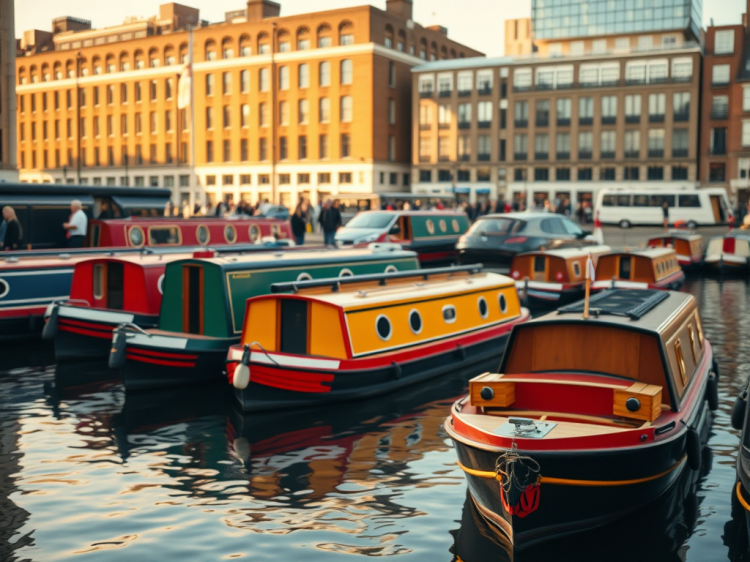
When I decided to buy my narrowboat Summer Place, I was still living in London. At the time, it seemed like a smart and exciting decision — a budget-friendly way to create a stylish, unique home and escape the stress of urban living.
I was paying £650 a month to share a small room with four noisy flatmates. I was fed up with the constant mess, the gossip, and the lack of peace. I’d just started working as a self-employed creative and wasn’t earning much yet, so I suggested to my then-partner (now ex) that we rent a studio flat together and split the costs.
He refused. Instead, he spent his money on expensive camera gear and photo props — not for work, but to photograph nude girls from some weird amateur modeling website. That’s when I knew I needed to make a change. I wanted freedom. I wanted to prove to myself that I was strong, brave, and capable of creating a life on my own terms. So I chose the boat.
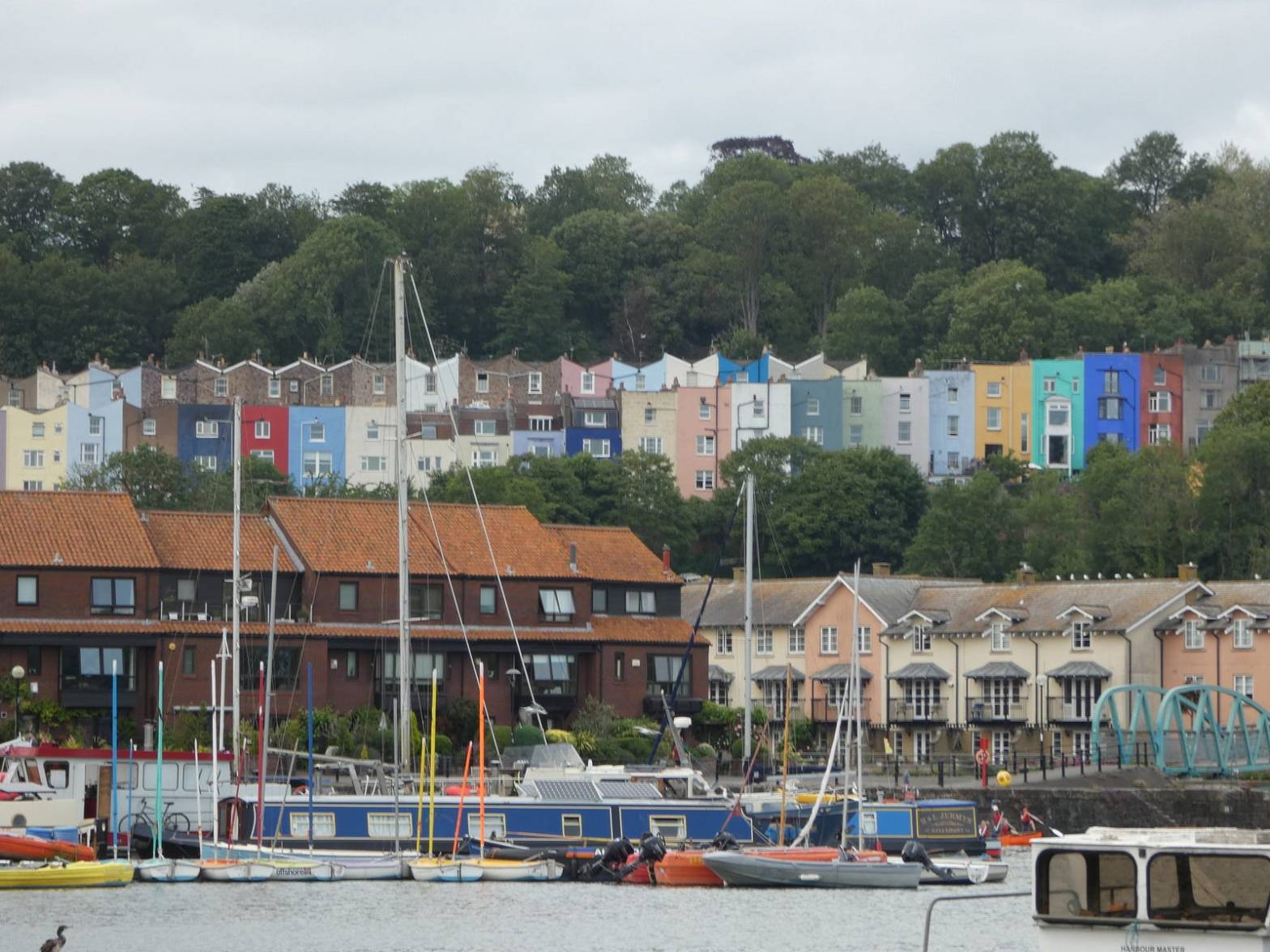
As an Italian, the idea of living on a narrowboat was unusual and exciting. In Italy, there are very few canals and even fewer people who live on the water. But in the UK, especially in places like Little Venice, Devizes Locks, or Bristol Marina, I saw people embracing this quirky, alternative lifestyle. It intrigued me.
After some research, I found Summer Place — an old narrowboat in a marina north of Birmingham. I bought her for £22,000 and invested another £7,000 to restore the engine and redesign the interior. My plan was to travel along the Grand Union Canal, heading to London.
What I didn’t know was that boats like mine can be transported by lorry — I thought I had to sail her all the way down myself. I had no experience at the tiller. Still, I began the journey, with my partner reluctantly joining me for the ride. He had no boating experience and used the trip as another excuse to belittle my choices.
⚓ The Beginning: A 9-Day Trial by Water
The journey took nine long days. We spent around 9 hours a day at the tiller, navigating 250 locks and two tunnels. It was exhausting. I still remember one of the most terrifying moments—inside an old lock, alone, trying to moor the boat. I asked him for help with the rope. His response?
“This was your choice, so do it by yourself.”
He opened the gates too early. A rush of cold water poured in, hitting the boat hard. I panicked, slammed into the brick wall of the lock, and the boat started to tilt dangerously. For a moment, I thought that was the end. Luckily, the rising water lifted Summer Place off the ledge, and I escaped — shaken, but safe.
From that day, I decided never to stay inside a lock alone again. But the alternative wasn’t much better — opening the heavy gates myself left my arms aching every night. Locks are slow, unforgiving, and in poor condition. Managing them alone felt nearly impossible.
🛶 The Harsh Reality of Boat Life in London
Once in London, I quickly realized how hard this lifestyle could be — especially as a single woman. I had no brakes, just the reverse gear to slow the boat. Mooring often meant hammering pegs into muddy soil. I still remember the day I forgot my only hammer. In a panic, I ran to a nearby Asda to buy another — only to return and find someone trying to break into my boat. Thankfully, the sight of me with two hammers was enough to scare him off.
Living alone on the canals comes with safety concerns. Towpaths are poorly lit at night. You often don’t know who’s on the boats around you. And if something happens, it’s hard to explain to police where you are.
Double mooring in central London is another issue. Boats stack up, and you lose your sense of peace and privacy. The canals are crowded, dirty, and, frankly, dangerous.
🏛️ The Canal & River Trust: A Complicated Relationship
The Canal & River Trust, which manages the waterways, was another challenge. They seemed indifferent to the struggles of single boaters — especially women. They demanded I move 20 miles every year, even though my back-and-forth route from Uxbridge to Little Venice didn’t count. I didn’t want to face the trauma of more locks, but they didn’t care.
When Summer Place was finally up for sale in a marina, they still came to inspect whether any part of the boat touched public water — even a millimetre. They threatened to charge me for two months’ licence fees over it.
🔌 The Struggles of Off-Grid Living
Living on a boat also meant dealing with limited electricity—just 16 volts unless the engine was running. I had to install a transformer just to power a hairdryer. But that required running the engine for hours every day. Solar panels helped, but in winter? Forget it. And in summer, the metal boat would turn into an oven if I moored under direct sun.
I remember waking up at 4 a.m. to feed coal into the stove so I wouldn’t freeze. Once, I found my bottle of olive oil completely solid—that’s how cold it got.
💸 The Hidden Costs of a “Cheaper Life”
At first, I thought I’d save money. But I was wrong. Between coal, wood, engine maintenance, pump-outs, moorings, and the license, I was spending around £300–£400 a month — not much less than rent, and a lot more in stress.
Unless you can afford a permanent mooring in a marina, with access to electricity, water, and proper facilities, life on a narrowboat in London is far from romantic. In fact, it’s often tougher, riskier, and lonelier than you might imagine.
💔 The End of the Journey
Eventually, my health declined, and my relationship ended — something that had been emotionally toxic from the start. I knew it was time to let go of Summer Place and that chapter of my life.
But I don’t regret the experience. It shaped me. It taught me courage, resilience, and how to navigate storms — both literal and emotional.
 Laura Bernardeschi Nelson artworld and travels